Embracing the Uneasy a Journey Through Distorted Horror Aesthetics

Horror often gets reduced to chaos and shock, but there is a deeper, more structured side to it. Distortion in horror is not random noise; it carries form and intention. Fear is not just a fleeting emotion; it has texture and weight. This blog explores how distortion shapes horror visuals, creating immersive atmospheres that unsettle and provoke thought beyond mere fright.
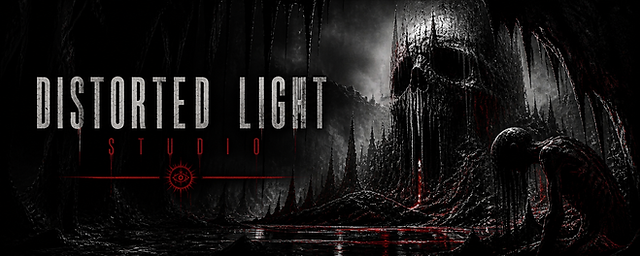
Distorted Light Studio exemplifies this approach. As an independent digital horror lab, it focuses on visual design, dark conceptual imagery, and atmospheric artwork. The studio’s work reveals how fractured forms, shadow, and decay build a unique language of horror that feels both familiar and alien.
The Structure Behind Distortion
Distortion in horror is often misunderstood as pure chaos. Instead, it follows a subtle structure that guides the viewer’s emotions. Distorted Light Studio uses fractured human forms and broken environments to create tension. These elements are carefully composed to balance unease with visual coherence.
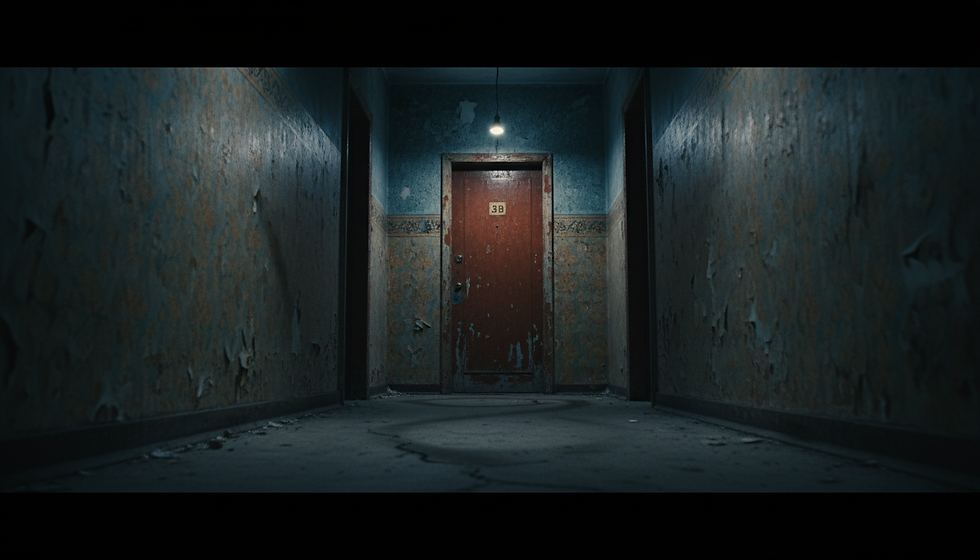
For example, a distorted face might not show clear features but still communicates fear through its shape and shadow. An empty corridor with peeling walls can evoke isolation and dread without any explicit threat. This approach relies on suggestion and atmosphere rather than explicit horror tropes.
Texture and Atmosphere as Emotional Tools
Fear is not just about what you see but how it feels. Texture and atmosphere add layers of emotional depth to horror imagery. Distorted Light Studio emphasizes high-contrast black and red palettes, which heighten tension and focus attention on key visual elements.
Texture plays a crucial role: cracked surfaces, decaying skin, and grainy shadows create a tactile sense of deterioration. This physicality makes the horror feel real and immediate. The atmosphere, dense with shadow and silence, weighs on the viewer, making the experience immersive.

The image captures a corridor that feels both abandoned and threatening, illustrating how environment shapes horror mood.
Cinematic Composition and Visual Decay
The studio’s work draws heavily from cinematic horror, where composition guides the viewer’s eye and builds suspense. Framing, lighting, and color contrast work together to create scenes that feel like stills from a disturbing film.
Visual decay is a recurring theme. Objects and figures appear corrupted or incomplete, suggesting a reality breaking down. This decay is not just physical but psychological, reflecting inner turmoil and fear. The fractured human form, for instance, symbolizes identity loss and vulnerability.
Psychological Discomfort Through Symbolism
Distorted Light Studio’s images often evoke psychological discomfort rather than outright terror. This subtle unease comes from symbolic imagery and abstract distortion. A collapsing figure might represent mental breakdown, while a distorted face can hint at hidden fears or trauma.
This approach respects the viewer’s intelligence, inviting interpretation rather than spoon-feeding scares. It creates a space where horror feels personal and reflective, not just sensational.
Inspiration from Experimental Media and Dark Ambient Aesthetics
The studio’s aesthetic is influenced by experimental media and dark ambient music, both of which emphasize mood and texture over narrative clarity. This inspiration leads to visuals that feel like fragments of a larger, unknowable story.
Isolation and deterioration are common themes, reflecting fears of abandonment and decay. These themes resonate deeply because they tap into universal human anxieties, making the horror feel timeless and profound.
Beyond Scary Images: Creating Another Reality
Distorted Light Studio aims to create more than just scary images. Its work feels like glimpses into a corrupted reality, something incomplete and partially understood. This fractured vision challenges viewers to confront discomfort and ambiguity.
The studio also supports other creative projects, providing a visual foundation rooted in horror aesthetics. Despite this, it remains independent, focused on experimentation and artistic freedom.
Bringing Distorted Horror to Your Creative Work
If you are a creator interested in horror, consider how distortion and atmosphere can deepen your work. Focus on:
Using fractured forms to suggest brokenness or vulnerability
Building atmospheric environments that feel lived-in and decayed
Employing high-contrast palettes like black and red to heighten tension
Composing scenes with cinematic framing to guide emotional response
Adding texture and shadow to create tactile unease
Exploring psychological themes through symbolic imagery
These techniques help move beyond cheap scares to create immersive, emotionally charged horror experiences.
Comments